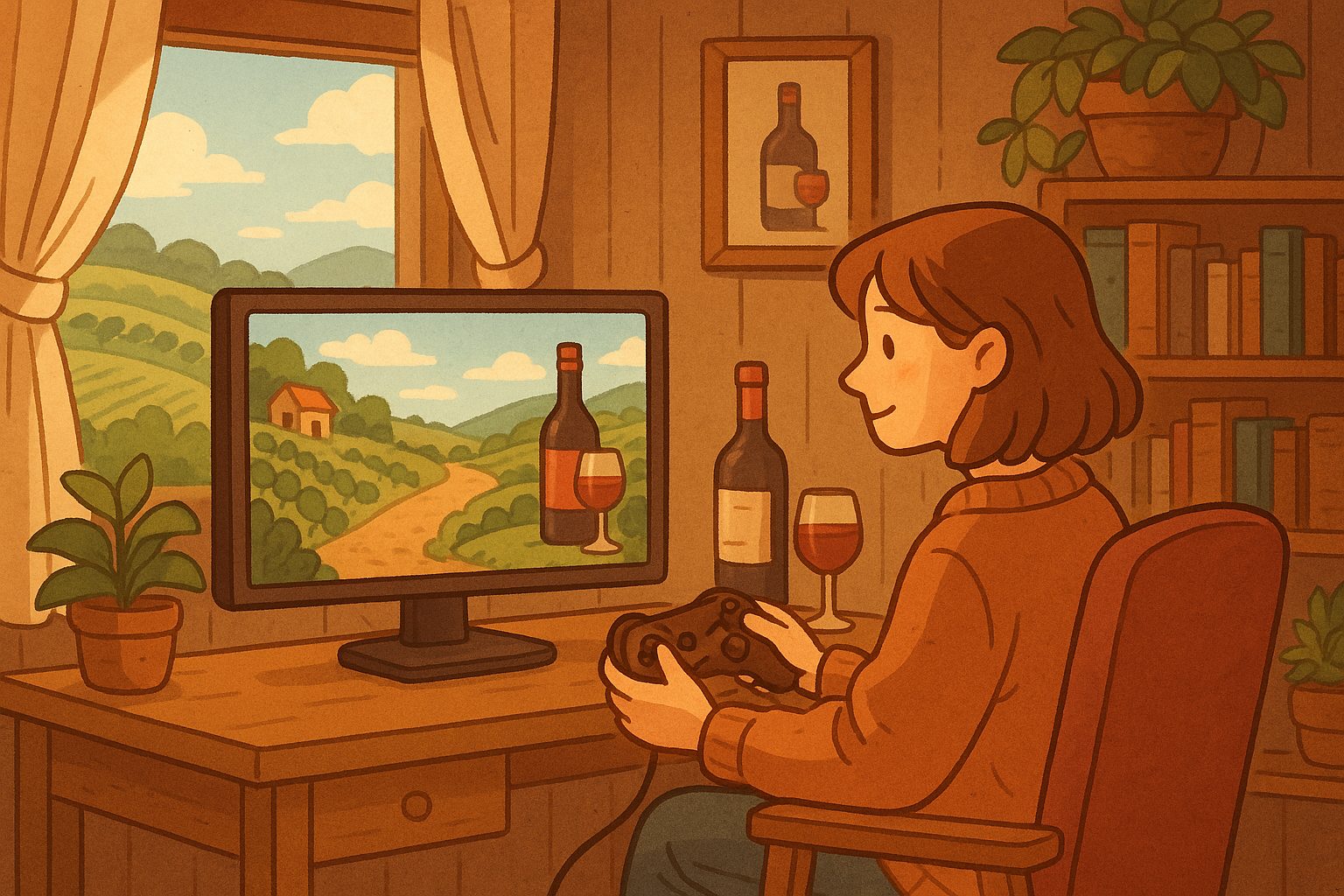
The world of gaming is constantly growing, evolving, and surprising players with new ideas—and the sweet wine video game is one of the most creative concepts yet. Blending storytelling, strategy, crafting, and emotional depth, this niche but fast-rising genre is winning the hearts of gamers seeking something more relaxing and meaningful than traditional action-heavy games. In this guide, we dive deep into everything that makes a sweet wine video game memorable, from gameplay elements to cultural significance, target audiences, and future developments.
Understanding the Sweet Wine Video Game Concept
The term sweet wine video game refers to titles that incorporate the art, culture, or symbolism of sweet wines into gameplay. These games usually mix worldbuilding, crafting, simulation mechanics, and calming visual aesthetics. Although wine-themed games have existed for decades, games that specifically emphasize sweet wine—with its associations of warmth, celebration, artistry, and storytelling—are gaining increased popularity.
The Evolution of Wine-Themed Games
Early wine-themed games were simple management or puzzle simulations. Modern versions offer emotional storytelling, realistic winemaking mechanics, and gorgeous visuals. Today’s gaming engines allow developers to create stunning vineyards, fermentation rooms, and story-rich environments that immerse players.
Why “Sweet Wine Video Game” Is Gaining Popularity
Players crave peaceful and cozy experiences—something this genre delivers perfectly. With its slow-paced gameplay and emotional themes, it appeals to a wide range of audiences looking to unwind rather than compete.
Key Features of a Sweet Wine Video Game
(400–500 words section)
A sweet wine video game blends several design elements to create a relaxing yet engaging experience. The heart of the genre lies in its emotional storytelling, crafting mechanics, and visual beauty.
Storyline & Worldbuilding
The narrative often revolves around themes such as tradition, family legacy, vineyard restoration, or personal growth. Characters tend to be warm, relatable, and deeply connected to their environment. These stories encourage players to reflect on patience, creativity, and craftsmanship.
Game Mechanics That Enhance Player Experience
Common mechanics include:
- Sweet wine crafting systems
- Vineyard management
- Seasonal changes that affect gameplay
- Skill development in tasting, blending, or selling wines
- Relationship-building with NPCs
- Puzzle-solving to unlock new tools or regions
These components add variety, challenge, and emotional depth to the game without overwhelming casual players.
Visual & Sound Design
A sweet wine video game is visually soothing. Developers often use warm color palettes, sunset gradients, and detailed natural environments. Soundtracks feature soft acoustic melodies, creating a complete sensory escape.
Exploring the Sweet Wine Theme in Gaming
Sweet wine as a narrative element symbolizes joy, patience, and refinement. Games use this symbolism to create emotional resonance.
How Sweet Wine Enhances Storytelling
Sweet wine often marks important milestones in stories—celebrations, endings, beginnings. Its presence in the game world adds depth and cultural context.
The Role of Wine Crafting Systems
Players experience the satisfaction of crafting their own blends, each with unique traits. Crafting encourages experimentation, creativity, and strategic planning.
Benefits of Playing a Sweet Wine Video Game
Relaxation & Stress Relief
The slow pace and soothing aesthetics make these games perfect for unwinding after a long day.
Decision-Making & Strategy
Managing resources, crafting perfect blends, and planning seasonal strategies all sharpen cognitive skills in a low-pressure environment.
Who Should Play a Sweet Wine Video Game?
Casual Gamers
It’s easy to learn and play without requiring fast reflexes.
Story-Driven Game Fans
Those who enjoy narrative depth, emotional arcs, and character development will love this genre.
How Developers Create a Sweet Wine Video Game
Art & Animation Pipelines
Designers focus on creating warm, inviting worlds filled with lush vineyards and cozy village scenes.
Coding & Engine Selection
Most developers use Unity or Unreal Engine for their strong support of vibrant 3D environments.
Popular Games Similar to a Sweet Wine Video Game
While not identical, these genres share similarities:
Life Simulations
Games like Stardew Valley or Cozy Grove inspire the peaceful feel.
Farming & Crafting RPGs
Titles such as My Time at Portia share comparable mechanics.
The Future of Sweet Wine-Themed Gaming
AI-Driven Story Adaptation
Dynamic narratives could evolve based on player choices.
Multiplayer Wine Crafting Worlds
Imagine collaborating with friends to build shared vineyards or trade wine blends.
FAQs About Sweet Wine Video Game
- What is a sweet wine video game?
It’s a game focused on wine crafting, storytelling, and relaxing gameplay, centered around sweet wine culture. - Is it suitable for kids?
Most versions are family-friendly, focusing on craft and creativity—no alcohol consumption is depicted. - Do I need prior knowledge about wine?
Not at all. The games usually teach players everything they need. - Are these games competitive?
Typically no—they are designed to be cozy, calm, and relaxing. - Can I play a sweet wine video game on mobile?
Many developers now create mobile-friendly versions. - Where can I learn more about winemaking?
Websites like Wine Folly provide great educational resources.
Conclusion
The sweet wine video game represents a refreshing shift in modern gaming—a blend of beauty, storytelling, and strategy that invites players into a world of creativity and calm. Whether you’re a casual gamer or someone who loves deep, emotional narratives, this genre offers a memorable and enriching experience.