Introduction
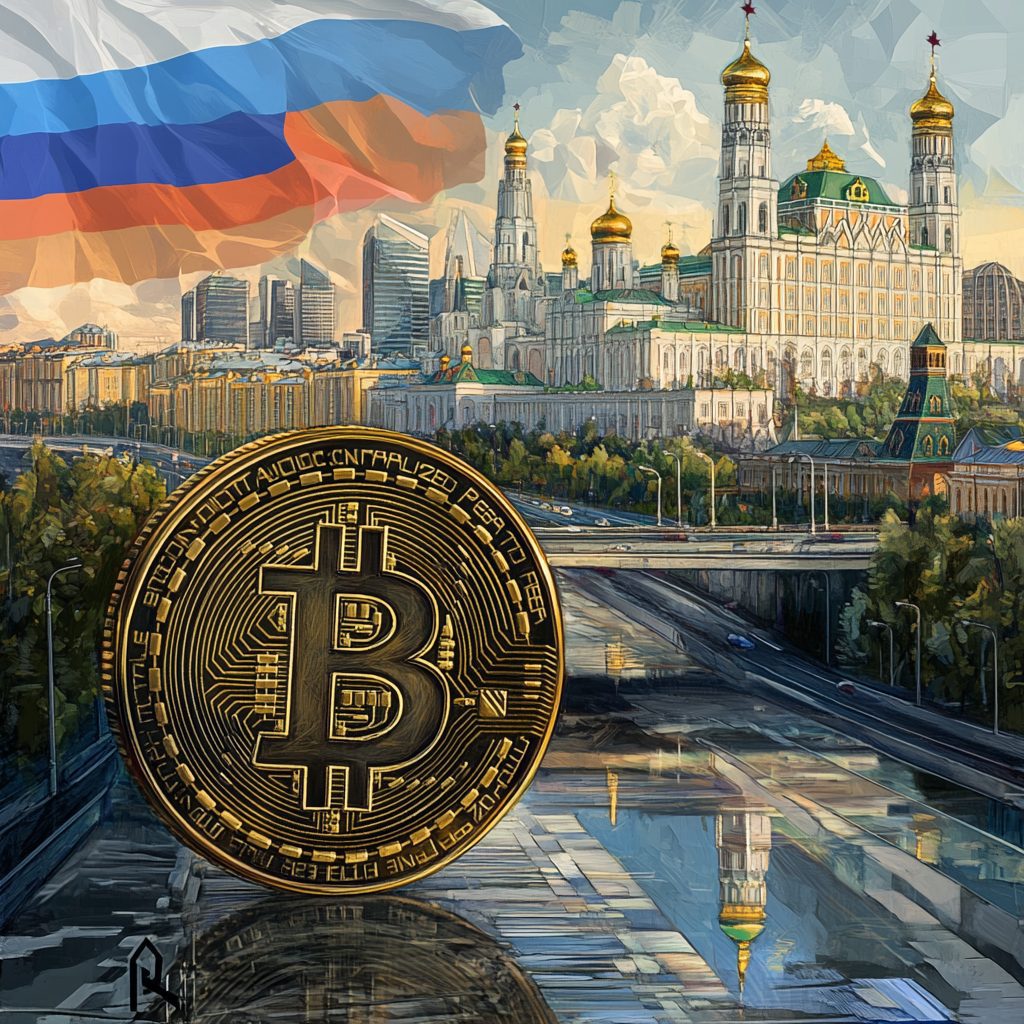
Russia has made headlines worldwide by announcing Bitcoin as an official currency, a groundbreaking decision with profound implications for global finance. This move signifies a bold step toward embracing decentralized finance and diversifying economic tools. But what does this mean for the markets, and how will it reshape financial systems worldwide? Let’s dive into the immediate and long-term effects of Russia’s adoption of Bitcoin.
What Does It Mean to Make Bitcoin a National Currency?
Definition of Bitcoin as a Legal Tender
Making Bitcoin a legal currency means it can be used for all types of transactions, from paying taxes to buying goods and services. This positions Bitcoin alongside the ruble as an officially recognized means of exchange.
Russia’s Perspective on Cryptocurrency Regulation
Russia’s decision reflects a desire to circumvent reliance on traditional financial systems, especially amid geopolitical tensions and sanctions. By integrating Bitcoin, the country leverages blockchain technology to enhance financial resilience.
Potential Advantages for the Russian Economy
- Financial Independence: Reduces dependence on the U.S. dollar and euro.
- Attracting Innovation: Encourages blockchain startups and crypto-related investments.
- Ease of Trade: Facilitates international transactions without traditional banking intermediaries.
Immediate Effects on the Global Market
Surge in Bitcoin Prices
Russia’s adoption spurred a sharp increase in Bitcoin’s market value as investors anticipated heightened demand.
Increased Interest from Institutional Investors
Global financial institutions, wary of missing out, began revisiting their cryptocurrency strategies, potentially signaling a new wave of adoption.
Fluctuations in the Fiat Currency Market
The announcement led to volatility in fiat currencies, particularly those frequently traded against the ruble. The dollar and euro saw short-term fluctuations as markets adjusted to the news.
Impact on Russia’s Economy
Diversification Away from Traditional Currencies
By adopting Bitcoin, Russia gains an alternative to circumvent sanctions and explore new trading partners through decentralized finance.
Potential for Increased Economic Independence
Bitcoin provides Russia with greater autonomy in international trade, bypassing reliance on global payment systems like SWIFT.
Challenges in Managing Volatility
The unpredictable nature of Bitcoin’s value could introduce financial instability, posing risks to citizens and businesses reliant on its use.
Global Financial Implications
Reactions from Central Banks Worldwide
Russia’s decision has sent shockwaves through global financial systems, prompting central banks to reconsider their stance on cryptocurrencies. While some may adopt a wait-and-see approach, others could expedite research into central bank digital currencies (CBDCs) to counterbalance Bitcoin’s growing influence.
Influence on the Adoption of Cryptocurrencies by Other Nations
This bold move may encourage other countries, particularly those with strained relationships with Western financial systems, to explore cryptocurrency adoption. Nations facing similar sanctions or looking for economic independence may view Bitcoin as a viable alternative.
Risks and Opportunities for International Trade
While Bitcoin adoption facilitates decentralized trade, it also introduces challenges like price volatility, regulatory ambiguity, and potential barriers in countries that don’t recognize cryptocurrencies.
Cryptocurrency Market Dynamics
Increased Demand for Bitcoin
With Russia using Bitcoin as legal tender, demand for the cryptocurrency has surged. This increase has led to higher trading volumes and a renewed interest from retail and institutional investors.
The Impact on Altcoins and Other Cryptocurrencies
Bitcoin’s prominence could overshadow other cryptocurrencies, diverting investments away from altcoins. However, it may also spur innovation in altcoin projects offering enhanced features like scalability and reduced energy consumption.
Shifts in Global Cryptocurrency Exchanges
Global exchanges have reported increased activity, particularly involving Russian traders. This development could lead to exchanges adapting to accommodate larger transactions and stricter compliance measures.
Technological and Regulatory Challenges
Scaling Bitcoin for Nationwide Use
Bitcoin’s current transaction capacity may struggle to handle a nation’s daily economic activity. Russia will need to invest in Layer 2 solutions, such as the Lightning Network, to enable faster and cheaper transactions.
Ensuring Security and Minimizing Fraud
Adopting Bitcoin at scale increases exposure to cyber threats. Russia must prioritize cybersecurity measures, including advanced encryption and fraud detection systems, to protect its financial ecosystem.
Developing a Legal Framework for Crypto Transactions
Establishing clear regulations around taxation, anti-money laundering (AML), and consumer protection will be crucial for integrating Bitcoin into the economy without creating loopholes.
Public Reception in Russia
Adoption by Citizens and Businesses
The adoption of Bitcoin has sparked mixed reactions. Tech-savvy individuals and crypto enthusiasts have embraced the change, while others remain cautious due to limited understanding and concerns about volatility.
Concerns About Inflation and Wealth Distribution
Critics argue that Bitcoin’s volatility could exacerbate wealth inequality and create challenges in stabilizing the economy. There are also concerns about its impact on the ruble’s value.
Awareness Campaigns and Education Initiatives
To address public skepticism, the government is launching awareness campaigns and educational programs aimed at demystifying Bitcoin and promoting its benefits.
Potential Risks of Bitcoin as Currency
High Volatility and Its Economic Impact
Bitcoin’s notorious price swings could lead to unpredictable purchasing power, complicating budgeting and financial planning for businesses and individuals alike.
Cybersecurity Concerns and Threats
The shift to Bitcoin increases the risk of cyberattacks, including hacking of digital wallets and exchanges. Mitigating these risks will require robust infrastructure and vigilant monitoring.
Environmental Implications of Bitcoin Mining
Bitcoin mining consumes vast amounts of energy, raising environmental concerns. Russia must address this issue by adopting cleaner energy sources or exploring alternative, less energy-intensive cryptocurrencies.
The Future of Fiat Currencies
Impact on the Dominance of the U.S. Dollar
Bitcoin adoption by a major economy challenges the dominance of the U.S. dollar in international trade. This move may accelerate the diversification of global reserves.
Challenges for Central Banks in Maintaining Control
As decentralized cryptocurrencies gain traction, central banks may find it harder to implement monetary policies effectively, potentially leading to innovative approaches to financial governance.
The Evolution of Global Financial Systems
Russia’s move may mark the beginning of a paradigm shift toward decentralized finance (DeFi). Over time, this could lead to a reimagining of global economic systems, with greater emphasis on blockchain technology and cryptocurrency.
Conclusion
Russia’s adoption of Bitcoin as a national currency marks a watershed moment in global finance. This bold decision has far-reaching implications, from altering cryptocurrency markets to challenging the hegemony of traditional fiat currencies. While the move presents opportunities for economic independence and innovation, it also comes with challenges like volatility, regulatory complexities, and environmental concerns. As other nations observe the effects of this unprecedented experiment, the future of global finance may increasingly revolve around the world of decentralized digital currencies.
Frequently Asked Questions (FAQs)
1. Why did Russia adopt Bitcoin as a national currency?
Russia adopted Bitcoin to enhance economic independence, circumvent sanctions, and leverage decentralized financial systems for trade and development.
2. What are the potential benefits of Bitcoin for Russia?
Bitcoin provides financial resilience, facilitates international trade without intermediaries, and attracts technological innovation and investment.
3. How will this decision affect global markets?
The adoption has increased Bitcoin’s value, sparked interest in cryptocurrencies, and prompted central banks to reconsider their monetary policies.
4. What challenges does Russia face with Bitcoin adoption?
Challenges include managing Bitcoin’s volatility, ensuring cybersecurity, scaling for nationwide use, and addressing environmental concerns related to mining.
5. Could other countries follow Russia’s lead?
Yes, particularly nations seeking financial independence or alternatives to traditional banking systems may explore adopting cryptocurrencies like Bitcoin.