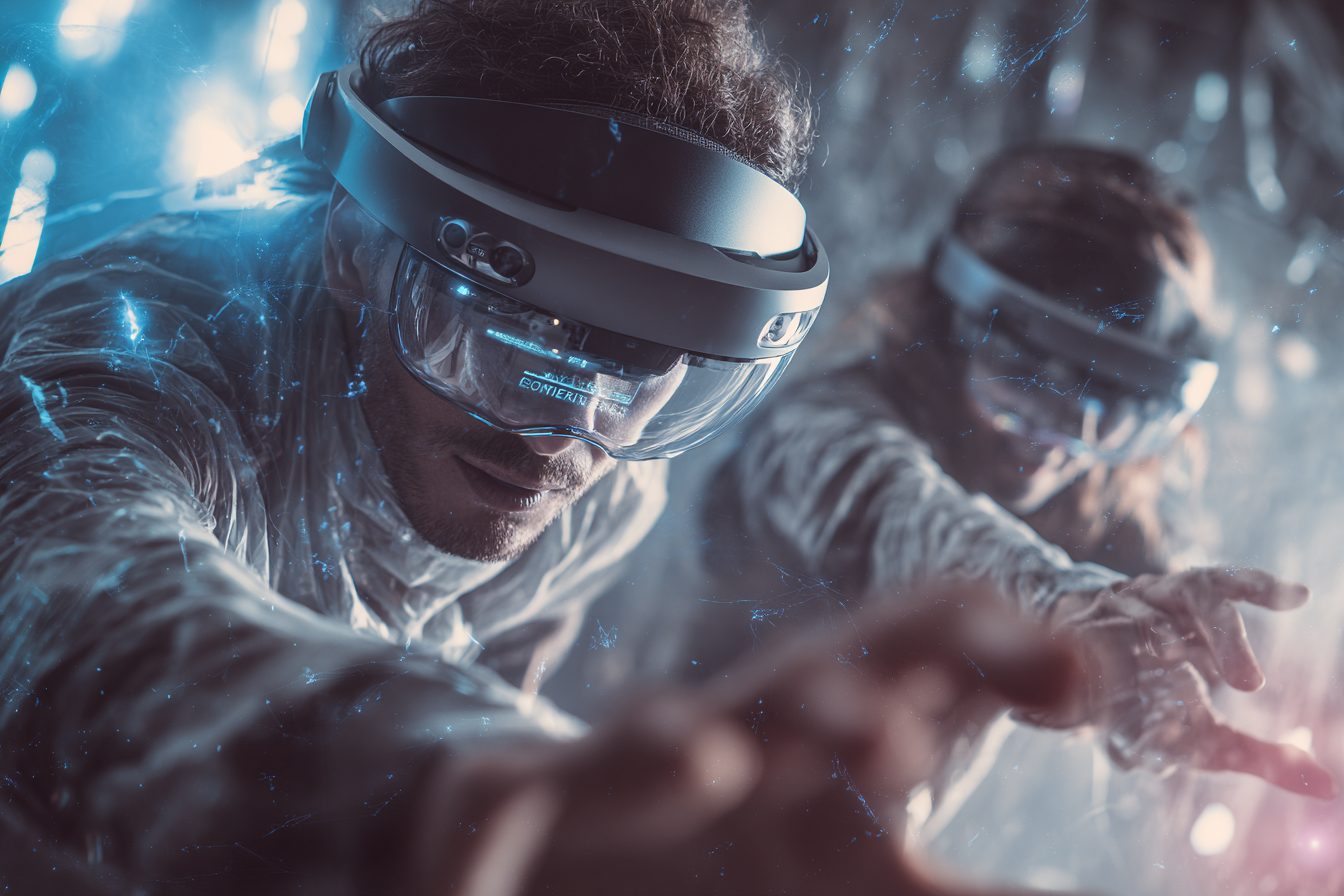
Gaming has always been an evolving frontier of human interaction, and in recent years, a new paradigm has emerged—phygital and hybrid gaming platforms. But what does “phygital” even mean? It’s a buzzword born from combining “physical” and “digital,” indicating an experience that blends the tangible world with the limitless possibilities of the virtual realm. In gaming, this fusion opens up opportunities to create multi-sensory, deeply interactive experiences that were once thought to be futuristic.
The rise of phygital and hybrid gaming platforms isn’t just a passing trend. With rapid advancements in technologies like AR (Augmented Reality), VR (Virtual Reality), IoT (Internet of Things), and AI (Artificial Intelligence), gaming companies are shifting their focus from traditional consoles and mobile platforms to immersive, cross-platform experiences that pull players from their couches into the real world—and vice versa. Whether it’s interactive gaming through smart toys, fitness gaming that connects physical activity with gameplay, or events that combine live and digital audiences, the gaming industry is in the midst of a revolution.
This revolution is not just technological but cultural as well. Consumers are craving more than just screen-based interaction—they want something tangible, something real. And phygital gaming is responding to that need. These platforms are not only enhancing user engagement but are also becoming critical tools for marketers, educators, and even healthcare providers. In the modern digital landscape, being able to blend physical presence with digital action creates an ecosystem where brands can tell stories, build communities, and drive engagement like never before.
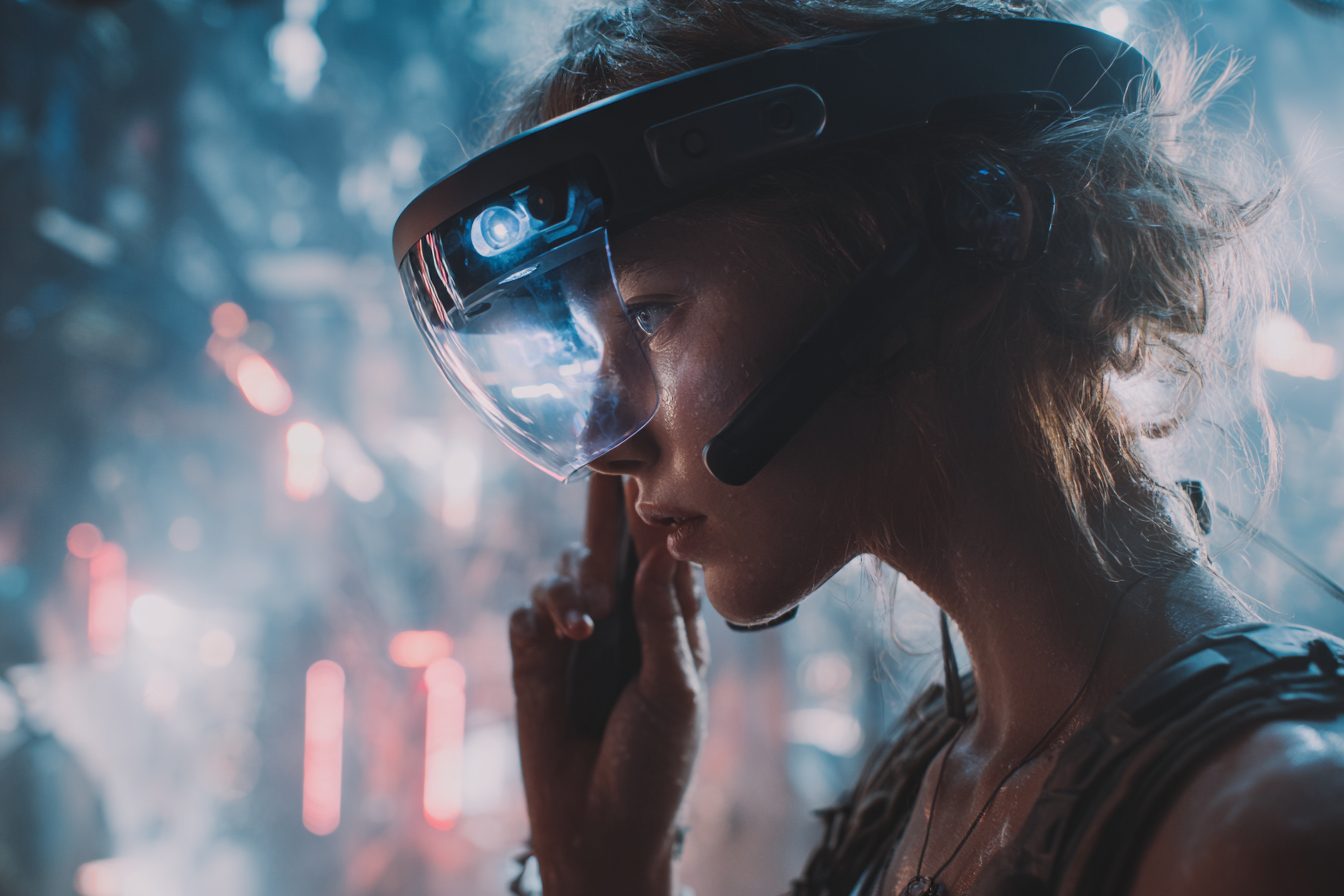
As we delve deeper into this new era, let’s explore how phygital and hybrid gaming platforms are reshaping the boundaries of gameplay and experience.
Evolution of Gaming: From Physical to Phygital
Traditional Gaming: A Brief History
To understand the concept of phygital and hybrid gaming, it’s crucial to take a step back and look at how gaming has evolved. In the early days, gaming was purely physical. Think about board games like Monopoly or tabletop RPGs such as Dungeons & Dragons. These experiences were deeply social, tangible, and often tied to a specific location and group of players. There was a strong sense of physical presence, tactile engagement, and real-time interaction.
As technology advanced, we entered the arcade era in the late ’70s and ’80s. While digital elements were introduced through screens and graphics, the experience remained largely physical—you had to be at a specific place to play. Console gaming in the ’90s brought these experiences into our homes but still retained a physical dimension through hardware like game cartridges, CDs, and controllers.
So, the foundation of gaming has always revolved around tactile engagement, either through physical components or shared social spaces. This element of physical presence was key in shaping the early identity of games.
The Rise of Digital Gaming
With the internet boom and the rise of mobile devices, the landscape changed dramatically. Digital gaming exploded. Cloud gaming, mobile apps, and multiplayer online experiences made it possible for players to connect across borders. Games like Fortnite, Minecraft, and Among Us allowed millions to engage without ever leaving their homes.
While this ushered in convenience, accessibility, and scale, it also brought a certain degree of disconnection. The tangible and social aspects of traditional games began to fade. Interaction was reduced to screen touches and digital commands.
Gamers began to crave more immersive and “real-feel” experiences. This demand sparked the emergence of AR-based games like Pokémon GO, which brought digital creatures into the real world using GPS and phone cameras. This blend signaled the beginning of phygital gaming.
Blending Physical and Digital Worlds
Now, we are witnessing the full-fledged birth of phygital gaming. Unlike older gaming models, phygital games don’t exist solely in the cloud or on a screen. They interact with the world around you. Smart wearables track your fitness data and integrate it into gameplay. Real-world objects come with NFC tags or QR codes that unlock special in-game features. Augmented Reality overlays your surroundings with game elements, creating a dynamic, interactive environment.
In short, we’ve come full circle—from purely physical, to purely digital, and now to a hybrid of both. This evolution not only adds depth and immersion to gameplay but also opens doors to creative monetization and storytelling methods that can’t exist in a purely digital or physical medium alone.
What are Phygital Gaming Platforms?
Definition and Concept
Phygital gaming platforms are digital systems that seamlessly merge the physical and virtual aspects of gameplay. These platforms use a combination of hardware (like sensors, AR devices, and wearables) and software (apps, game engines, data analytics) to deliver a hybrid experience where actions in the real world influence the digital game and vice versa.
Imagine this: You’re in your living room, but with the help of AR glasses, it transforms into a battlefield. Or you’re participating in a treasure hunt where you physically walk around your neighborhood, scanning objects that trigger digital rewards in your mobile app. These are phygital platforms in action.
These platforms typically require some interaction with physical elements—be it environments, objects, or gestures. They also allow digital characters or elements to “exist” in physical spaces, providing an enriched experience that stimulates multiple senses and blurs the line between the real and the virtual.
How They Work
Phygital gaming platforms operate on the core principle of interactivity. Here’s how the typical flow works:
- Input Collection: Sensors or smart devices gather data from the physical world—movement, location, gestures, biometrics.
- Data Processing: This input is sent to the game’s engine, often hosted in the cloud or on local servers, which interprets the data and decides the in-game response.
- Output Generation: Based on the data, the platform delivers feedback—visual through AR/VR, tactile via haptics, or auditory through immersive sound systems.
- Bi-Directional Interaction: Actions in the game can also influence the real world. For example, winning a challenge in an AR game might trigger a smart light bulb to change color or send a reward to a smart device.
What’s fascinating is how this creates a loop where the physical and digital continuously feed into each other, making the experience richer, more immersive, and incredibly engaging.
Examples in Action
Some of the most popular phygital gaming examples include:
- Pokémon GO – Combines GPS location tracking with AR to encourage outdoor exploration.
- Nintendo Labo – Uses cardboard kits to build real-world accessories that control in-game actions on the Nintendo Switch.
- Just Dance – Requires real-world physical movement to earn scores in a digital dance game.
- Beasts of Balance – A tabletop game where stacking physical toys affects the digital ecosystem on-screen.
These games are redefining what it means to “play,” turning everyday environments into game levels and making our physical actions more meaningful in virtual worlds.
Understanding Hybrid Gaming Models
What Makes Gaming “Hybrid”?
Hybrid gaming is the bridge between phygital experiences and traditional digital gaming. Unlike purely physical or digital games, hybrid gaming platforms integrate elements from both worlds in a seamless, interactive way. But what truly makes a game “hybrid”? It’s more than just combining physical and digital components—it’s about synchronization, responsiveness, and immersion.
In a hybrid model, players might use a smartphone to scan real-world objects that unlock content in a console game. Or perhaps a physical card collection, like in Skylanders or Amiibo, holds NFC chips that alter gameplay in a virtual realm. These interactions go beyond passive scanning—they require meaningful engagement. Players actively switch between real-world actions and digital responses, making every movement and choice impactful.
What separates hybrid from phygital gaming is often the degree of immersion. While phygital tends to lean heavily into physical interaction enhanced by digital tech, hybrid gaming might focus more on dual-platform interactions—like blending mobile with console or AR with wearables. It’s this cross-channel behavior that characterizes hybrid gaming platforms.
Additionally, hybrid gaming incorporates multi-platform integration. Players might start a game on a tablet, continue it on a console, and finish on a VR headset. Each platform contributes a unique sensory or interactive layer, which amplifies the overall experience. These diverse engagement points allow hybrid games to build deeper player commitment and narrative arcs.
Ultimately, hybrid gaming is about merging ecosystems—hardware, platforms, sensory inputs, and content—to create a unified, evolving user experience. It breaks down silos between device types and bridges the gap between digital entertainment and real-world presence.
Key Features of Hybrid Platforms
Hybrid gaming platforms are built around several defining features that enable their unique dual-world experience. These features are what distinguish them from traditional or even augmented gaming models:
- Multi-Device Integration: Hybrid games often span smartphones, tablets, consoles, and VR/AR headsets, allowing players to jump between devices seamlessly.
- Sensor and Wearable Support: From smartwatches to heart-rate monitors and motion detectors, hybrid platforms often integrate wearable tech to influence gameplay dynamics.
- Cross-Platform Progression: A player’s progress is stored and synchronized across platforms. Start a mission on your mobile, pick it up on your VR headset, and complete it on your PC.
- Physical Interaction Elements: Like smart toys, tangible collectibles, or physical controllers that influence in-game outcomes.
- Cloud-Based Infrastructure: Real-time data syncing and cloud saves ensure that gameplay is consistent, regardless of which platform is being used.
- Augmented and Virtual Reality Compatibility: Games often use AR for immersive real-world overlays or VR for fully virtual gameplay, blending real and digital perception.
- Location-Based Features: Hybrid platforms frequently use geolocation, encouraging movement and real-world exploration (e.g., walking to a landmark to unlock in-game rewards).
These features not only add versatility and excitement but also cater to various play styles—whether someone prefers casual smartphone sessions or immersive VR gameplay. This accessibility is a massive reason for hybrid gaming’s rapid growth.
Types of Hybrid Gaming Experiences
Hybrid gaming isn’t one-size-fits-all. In fact, it can be categorized into various types based on user interaction, hardware involvement, and gameplay dynamics. Here are the most prominent types:
1. Location-Based Hybrid Games
These games use real-world geography to impact in-game actions. Think of Pokémon GO or Harry Potter: Wizards Unite, where walking to a certain area unlocks virtual creatures or items.
2. Smart Toy Integration
Games like Skylanders, Disney Infinity, and Amiibo involve placing physical toys on a special reader that brings them to life in-game. These toys often store player stats and progress too.
3. Motion-Triggered Experiences
Utilizing devices like the Xbox Kinect, Nintendo Switch Joy-Cons, or even mobile accelerometers, these games respond to player movement. Just Dance and Ring Fit Adventure fall into this category.
4. VR/AR Combined Play
Hybrid gaming can blend AR and VR for multi-layered immersion. For instance, a player might scan a physical object using AR and then enter a VR simulation of that object’s universe.
5. Multi-Platform Narrative Games
These games allow users to play segments on different platforms. Start on mobile, continue on console, and complete on VR. This type focuses heavily on story continuity and experience layering.
Each type brings a unique flavor to the hybrid ecosystem. Some offer physical collectibility, while others enhance mobility or encourage physical fitness. Together, they reflect the flexibility and richness that hybrid gaming adds to the entertainment landscape.
Benefits of Phygital & Hybrid Gaming
Enhanced Engagement
One of the most compelling benefits of phygital and hybrid gaming platforms is how deeply they engage users. Traditional digital games are fun, no doubt, but there’s often a barrier between the player and the action—a screen. Phygital and hybrid platforms break this fourth wall, pulling players into the action and making them part of the game itself.
The interactive nature of these games increases cognitive and emotional engagement. When you physically interact with game components, such as building a Nintendo Labo kit or scanning a location in Pokémon GO, you’re not just playing—you’re participating. This direct involvement makes players feel invested, both emotionally and physically, in the game’s outcomes.
There’s also a strong social dimension to these games. Hybrid and phygital platforms often encourage shared experiences—either physically in the same space or virtually across networks. These shared moments foster community, competition, and cooperation, all of which deepen the overall engagement.
From a marketing perspective, this level of engagement is gold. Brands can embed experiences in games that connect deeply with players, drive emotional resonance, and enhance brand recall. For instance, McDonald’s collaborated with Pokémon GO for in-game promotions tied to real-world locations. This is engagement that transcends traditional advertising.
Whether it’s the thrill of unlocking a reward through physical effort or the satisfaction of seeing your smart toy evolve in the game, phygital and hybrid platforms create engagement loops that keep players coming back.
Immersive Player Experience
The immersive quality of phygital and hybrid gaming platforms is, without a doubt, one of their most standout features. Unlike traditional video games, which typically rely on visual and auditory cues, hybrid platforms go several steps further by engaging multiple senses and offering real-time interaction between the player’s physical actions and digital feedback.
Imagine wearing an AR headset and seeing your living room morph into a digital jungle, where you’re dodging traps and solving puzzles by physically moving around. Or picture a wearable device tracking your heart rate and adjusting the difficulty level of a survival game based on your stress levels. These aren’t future concepts—they’re happening now. Games like Zombies, Run! turn jogging into a thrilling escape adventure, and devices like Oculus Quest offer haptic feedback that simulates touch in a virtual environment.
The physicality of these games enhances immersion dramatically. You’re not passively controlling a character—you are the character. Your body becomes the controller, and your environment becomes the stage. This mind-body connection amplifies the sense of presence and investment in the game, which traditional gaming simply can’t match.
Moreover, hybrid platforms often incorporate realistic physics and spatial audio, making the gameplay feel even more lifelike. You hear the sound of footsteps behind you not just in your headphones but in the exact direction they’re coming from. You throw a virtual object, and its trajectory mirrors real-world physics. It’s these nuances that make players lose themselves in the experience.
This level of immersion isn’t just beneficial for entertainment. It also holds educational and therapeutic potential. Gamified rehab programs now use immersive hybrid platforms to help patients regain motor skills. Educators are turning classrooms into interactive labs where historical events are re-enacted through AR.
In short, the immersive capabilities of phygital and hybrid games go beyond gaming—they’re redefining how we experience digital content across multiple industries.
Real-Time Physical-Digital Interaction
Real-time interaction between physical actions and digital outcomes is the engine driving the power of phygital and hybrid gaming. This dynamic feedback loop creates a sense of immediacy and consequence that transforms passive play into active involvement.
Consider the way a smartwatch can track your pulse during a high-stakes mission in a game. If your heart rate spikes, the game might adapt by intensifying the challenge or rewarding you for staying calm. That’s real-time biofeedback in action. Or imagine using a smart glove where every finger movement is translated into an in-game spell—suddenly, you’re not just pressing buttons; you’re casting magic like a real wizard.
This bi-directional interaction isn’t limited to wearables. Environmental sensors, smart cameras, voice recognition, and even weather APIs are increasingly being integrated into hybrid platforms. A game might change its terrain based on the real-world weather in your location. Rainy outside? Your game becomes a stormy battleground.
Such real-time features make the gaming experience highly personalized. Two players might play the same game, but their experiences will be completely different because the game responds uniquely to their physical environment, choices, and actions. This variability increases replayability and keeps users engaged longer.
Additionally, this real-time sync bridges the physical and digital worlds in a way that’s incredibly satisfying. When you move, something happens and you speak, the game listens. When you act, the system reacts. It’s like having a conversation with the game itself.
This continuous loop of action and response creates a more fluid, natural interaction style that mimics how we engage with the real world. And as technology advances, especially with the integration of AI and edge computing, this responsiveness will only become faster, smarter, and more adaptive.
In essence, real-time physical-digital interaction is the heartbeat of phygital and hybrid gaming, making every moment feel alive, reactive, and uniquely yours.
Challenges and Limitations of Phygital Gaming
Technology Barriers and Hardware Costs
While phygital and hybrid gaming platforms offer a host of exciting benefits, they also face several challenges—chief among them being the technological and financial barriers that limit widespread adoption. For starters, the advanced hardware required for many phygital games isn’t cheap. AR glasses, VR headsets, smart controllers, and motion-tracking wearables can cost hundreds—if not thousands—of dollars, making these experiences less accessible to casual gamers or those in developing regions.
Moreover, these platforms rely heavily on robust infrastructure. High-speed internet, powerful graphics processors, and real-time cloud computing capabilities are prerequisites for smooth gameplay. In areas with limited bandwidth or older devices, the user experience can suffer, leading to lag, glitches, or outright system failures.
Compatibility is another issue. With so many different types of hardware and software involved—think sensors, wearables, mobile apps, and game consoles—ensuring seamless integration can be a technical nightmare. Developers must build games that work across a variety of devices, operating systems, and network conditions, which adds complexity, time, and cost to development cycles.
Battery life is also a significant hurdle. Devices like AR headsets or smartwatches may only last a few hours under intensive gaming conditions, interrupting the flow and immersion of gameplay. And let’s not forget the frequent firmware updates and troubleshooting that come with maintaining a hybrid tech ecosystem.
Lastly, storage limitations and data processing speeds can bottleneck performance. Hybrid games often involve large files and real-time data transfer. If your device or internet connection can’t keep up, it breaks the illusion and can be extremely frustrating for users.
In summary, while the potential of phygital gaming is enormous, it is currently limited by high hardware costs, technical complexity, and infrastructural demands. Overcoming these barriers will be key to mainstream adoption and broader innovation in the space.
Privacy and Data Security Concerns
As immersive and personalized as phygital and hybrid gaming platforms are, they also raise significant concerns about privacy and data security. These platforms often rely on an ecosystem of sensors, cameras, GPS trackers, wearables, and cloud-based services—all of which collect, process, and store personal data in real time.
Think about it: when you play an AR game that uses your camera to scan your surroundings or wear a fitness tracker that monitors your heart rate and sleep patterns for gameplay advantages, you’re handing over sensitive information. In many cases, users may not fully understand what data is being collected, how it’s used, or where it’s being stored.
This makes these platforms highly vulnerable to data breaches, unauthorized surveillance, and misuse of personal information. A hacked wearable device could expose your health data, location history, and biometric details. Moreover, children—one of the largest demographics for gaming—are particularly at risk. Many hybrid games target younger audiences, and safeguarding their privacy becomes an ethical imperative.
Furthermore, companies often use the data gathered for marketing purposes. Personalized ads, targeted campaigns, and behavioral tracking can create an environment where the line between gaming and consumer manipulation blurs. Without stringent regulations and transparency, this can lead to exploitation and loss of user trust.
To mitigate these risks, developers and platform providers must adopt end-to-end encryption, transparent data policies, and opt-in systems that clearly explain what data is being collected and why. Consent should be informed, not buried in terms and conditions. Governments also need to establish clear data protection laws that address the unique challenges of phygital technologies.
In essence, as gaming platforms evolve into more intelligent and responsive ecosystems, the responsibility to protect user data must evolve with them. Privacy should not be a trade-off for immersion.
The Future of Phygital and Hybrid Gaming
Upcoming Trends and Innovations
The future of phygital and hybrid gaming is teeming with innovation and potential. With each passing year, technological advancements are pushing the boundaries of what these platforms can achieve. One major trend on the horizon is the deeper integration of Artificial Intelligence. AI will not only adapt games based on your behavior and preferences but also help create dynamic storylines that change based on your real-world actions and emotional responses.
Another major development is the arrival of 5G and edge computing. These technologies promise ultra-low latency and high-speed connections, allowing real-time synchronization between physical and digital realms. This will pave the way for massive multiplayer hybrid games that span cities or even countries, blending live events with digital universes.
Brain-computer interfaces (BCIs) are also becoming a buzzword. Imagine controlling a game with your thoughts or emotions—this could redefine immersion in ways we can barely comprehend today. Companies like Neuralink are already exploring these possibilities, and while mainstream adoption may be years away, early iterations are in development.
We can also expect more personalized, adaptive environments. Smart homes will sync with your gaming preferences—adjusting lights, sounds, and even temperature to enhance the narrative. Voice-activated assistants may become in-game characters or narrators, further blurring the line between game and life.
Wearable tech will become more refined, more fashionable, and more integrated into daily life. Think AR glasses that look like regular eyewear but can project an entire game world around you as you walk down the street. These devices will no longer be accessories but essential tools in the hybrid gaming experience.
As the metaverse continues to gain traction, hybrid and phygital gaming will likely be its cornerstone. These platforms offer the exact type of cross-world experiences that the metaverse aims to deliver—fluid, interactive, and immersive across all realities.
Conclusion
Phygital and hybrid gaming platforms are more than just the future of gaming—they are the evolution of digital interaction. They represent a shift from passive screen time to active, immersive experiences that bridge our physical and virtual lives. These platforms have already begun reshaping how we play, socialize, exercise, and even learn.
From wearable tech and AR adventures to smart toys and multi-platform narratives, the landscape is vast and continuously evolving. While there are real challenges—like high costs, privacy concerns, and technical barriers—the benefits of enhanced engagement, immersive storytelling, and personalized interaction are undeniable.
As technology becomes more accessible and integrated into everyday life, the potential for phygital and hybrid gaming to revolutionize not just entertainment but also education, healthcare, and social connectivity is immense. The line between the game and the gamer, the digital and the real, is vanishing. And with it, a new era of experiential, interactive, and intelligent gaming is being born.
FAQs
1. What is a phygital gaming platform?
A phygital gaming platform blends physical and digital elements to create interactive, immersive gameplay. It often uses sensors, wearables, and AR/VR to allow real-world actions to influence digital environments and vice versa.
2. How does hybrid gaming differ from traditional gaming?
Hybrid gaming combines multiple platforms—such as mobile, console, and VR—with physical components like smart toys or movement tracking. It offers a more integrated and interactive experience than traditional screen-based games.
3. Are phygital games safe for children?
While many phygital games are designed for kids, privacy and data security can be concerns. Parents should monitor data collection policies and ensure games are age-appropriate and safe.
4. What are the main challenges in developing hybrid games?
Challenges include high development costs, compatibility across multiple devices, real-time data syncing, and maintaining user privacy. It requires advanced infrastructure and ongoing technical support.
5. What’s the future of phygital gaming?
The future includes AI-driven storylines, 5G-powered cloud gaming, brain-computer interfaces, and seamless integration into smart environments. These innovations promise deeper immersion and personalization.